
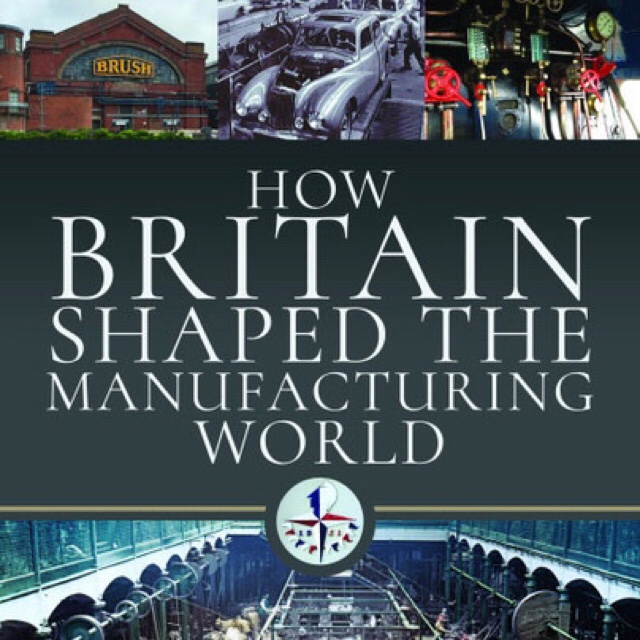
I write blogs as my research progresses and so the earlier ones relate to my previous project Dunkirk to D Day, although they are linked. The men of whom I wrote had feet in both camps, they stepped up as soldiers in two world wars, but then pursued careers in British manufacturing. I wrote an article on Civilian Expertise in War published in the Historian, the magazine of The Historical Association.

Alastair Pilkington – Pilkington and float glass
In Vehicles to Vaccines I named as my construction hero Alastair Pilkington, another Cambridge graduate of Mechanical Sciences. Readers may recall Kelvin Bray in the context of energy. This second graduate was a little older, having served during the Second World War and returned to complete his degree. His name was Pilkington, but he was…
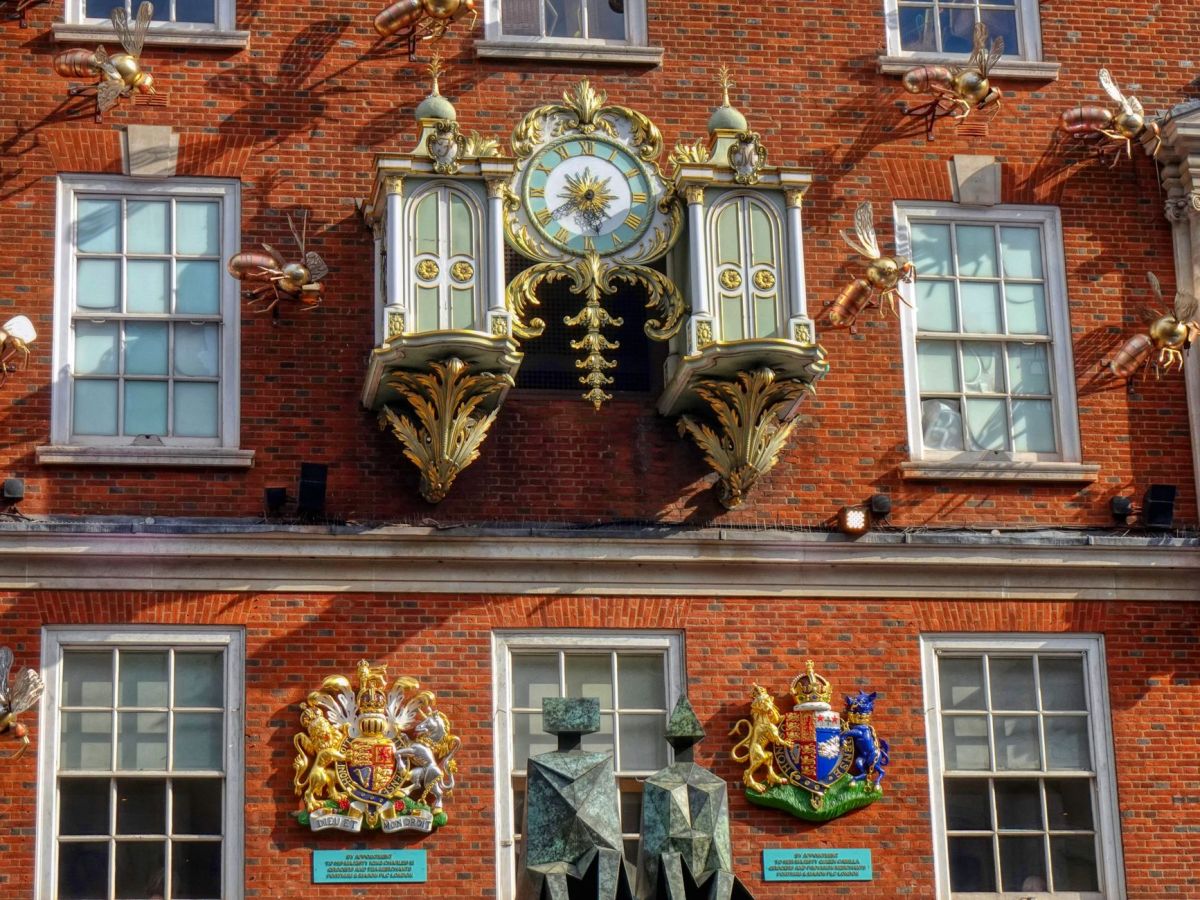
The Weston Family – Associated British Food
Garfield Weston set his family company on course to become the anchor-man of British food manufacturing. The company is now called Associated British Food. Canadian Willard Garfield Weston was born in 1898, his father had emigrated to Canada and created a baking business there. In 1934, Weston moved to England and founded Allied Bakeries which…
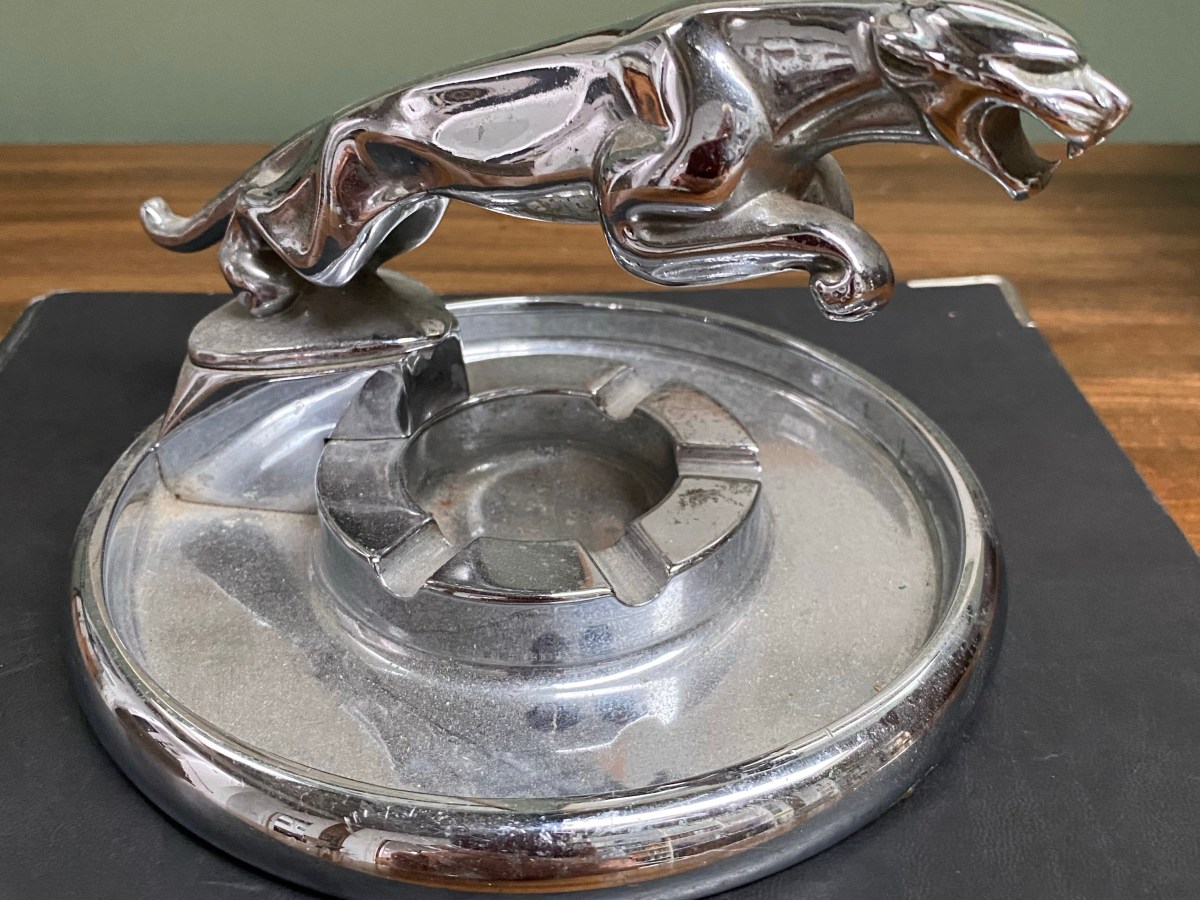
Jaguar and Land Rover – an unlikely pairing?
William Lyons and the Wilks brothers created remarkable companies which made iconic vehicles. Was it just fate that brought the companies together? William Lyons and Maurice Wilks were born three years apart; Lyons in 1901 in Blackpool. Son of a piano maker, William attended Arnold House School and in 1922 set up in business making…
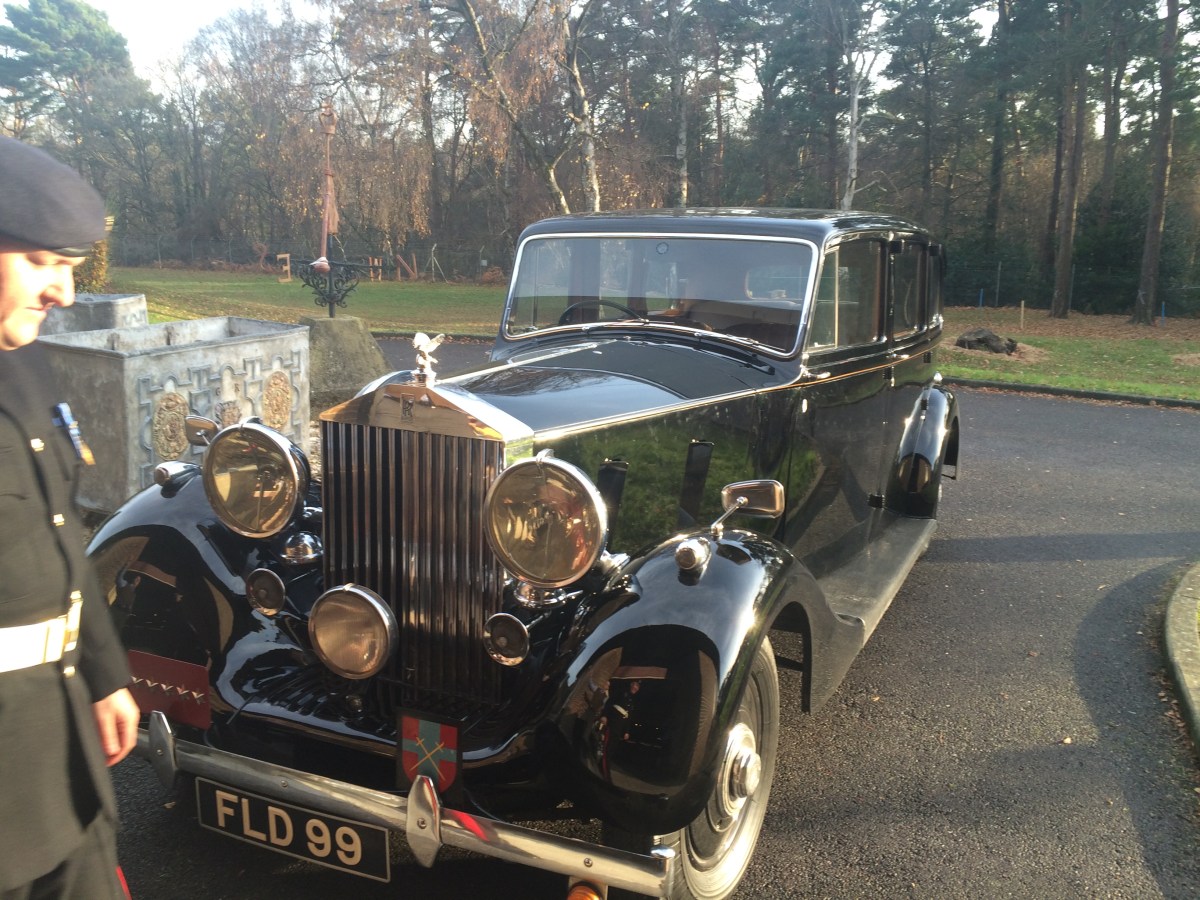
Winners and losers since 1951 – Rolls-Royce and Bentley
Reading through my book Vehicles to Vaccines’, some companies jump out as conspicuous success stories, and some less so. Beneath the surface there are many hundreds of smaller British manufacturing concerns which form the backbone of this sector. Sales of British companies is a recurring theme and there are a number of ways of viewing…
National Manufacturing Day
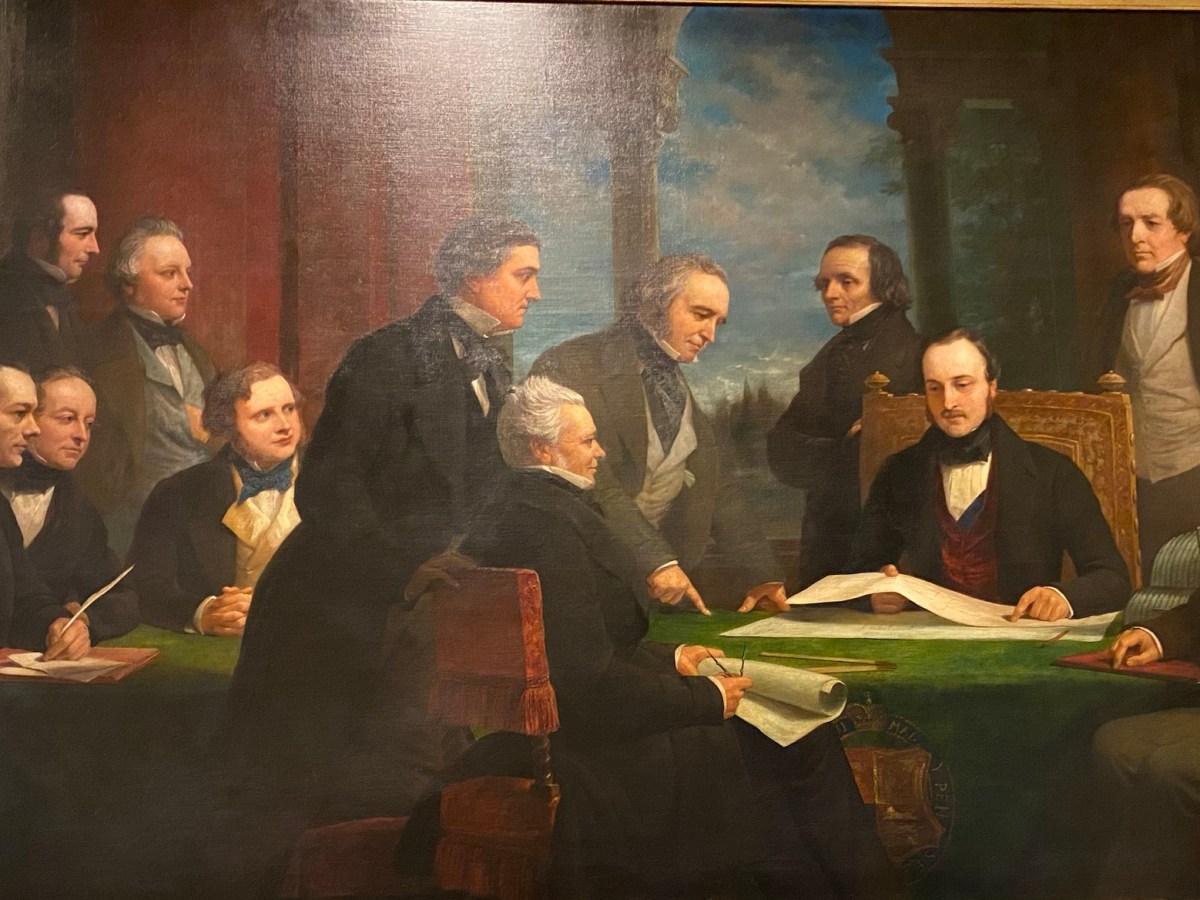
I am proud to highlight just some of my stars in British Manufacturing. The image is of the organising committee of the Great Exhibition of 1851 People Abraham Darby William Armstrong Allen, John and Michael Clark of Plessey Ferranti Marconi William Morris Places Coventry Birmingham London Manchester Sheffield Stockport Industries The Thames Shipbuilders The Quaker…
Sir Arnold Hall – Hawker Siddeley
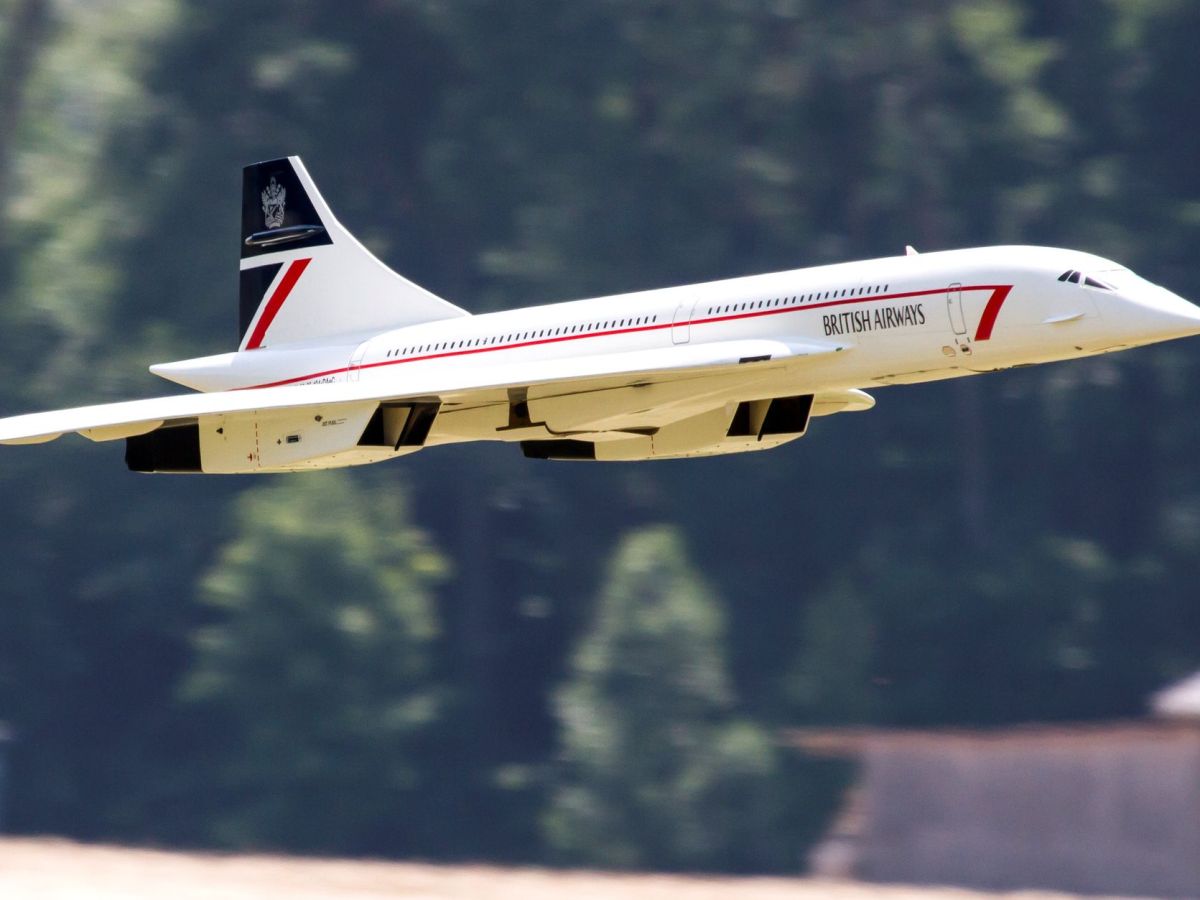
As a schoolboy in the fifties, my birthday treat was a trip to Heathrow Airport to stand on the roof of the Queen’s Building to watch the aircraft. My favourites were the Vickers Viscount, in which I was fortunate enough to fly on a number of occasions, and the de Havilland Comet. My aircraft manufacturing…

Financiers, some who sailed near and over the line
In my exploration of British manufacturing, I have come across many men whose technical expertise advanced the cause of British industry. There were also those who brought a different kind of expertise and perhaps a different outlook on life. George Hudson – the railway king George Hudson was one of these. He became a firm…

London as a manufacturing place
Was London a manufacturing anomaly ? There were no raw materials, no coal and the weather didn’t favour weaving. Yet, it was the centre of power. The rich wanted beautiful things and Londoners made them. Skills emerged and developed, which attracted more skills. Above all it was the major port. The Thames offered a wonderful…

The Thames shipbuilders
When I think of shipbuilding, I see in my minds eye the North-East or the Clyde. Yet, Thames shipyards, including four Naval Dockyards, built many thousands of ships over four centuries. We can think of East Indiamen setting sail for the spices of the east, or whalers, but more-so mail steamers, wherries and tea clippers.…

Oliver Lucas and Peter Bennett – Lucas
Joseph Lucas was born in 1834, lived in Hockley, Birmingham and worked in tin, manufacturing lamps for ships and the new world of photography. In 1855, his wife gave birth to a son, Harry, who at the age of sixteen joined his father in the business. It was the invention and growing ownership of bicycles…
Something went wrong. Please refresh the page and/or try again.
Follow My Blog
Get new content delivered directly to your inbox.

