
The Aircraft Industry was far bigger, after the war, than could be supported by a peace time economy. The hugely successful Vickers Viscount gave the lie to this assertion, albeit briefly. In the public eye Christopher Cockerell’s hovercraft offered a moment for national pride.
The industry gathered around itself more specialist companies like Dowty which specialised in under carriages and Rotol in propellers.
Thereafter the industry shrunk with two significant exceptions. Rolls-Royce nearly died from haemorrhaging cash from the development of the RB211 engine. With a delicious irony, that very engine gave birth to the most successful of Rolls-Royce engines: the Trent. The other exception is Airbus whose wings are made in Britain. It was thanks to Hawker Siddeley that Britain stayed with Airbus in the seventies and eighties, but it means that we still have an airframe industry.
BAE Systems, following the British Aircraft Corporation and British Aerospace, brought together what had been the British aircraft industry into a single group. It is now essentially a defence manufacturer.
There are others, not least Britten-Norman who have brought production of their light aircraft back to the UK.
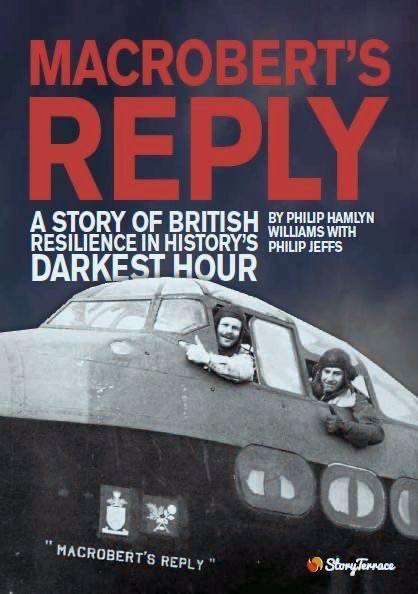
The image is of my book MacRoberts Reply which is the story of a Stirling bomber given to the RAF by a grieving mother so that the sons she lost could have their reply to Hitler. It was built by Austin. The MacRobert name attaches also to the annual engineering prize who previous winners include Ruston Gas Turbines and Raspberry pi.
 British Manufacturing History