

The significance of manufacturing for war is illustrated by the location of Royal Ordnance and Shadow Factories, but also in the detail of so many companies in so many places that turned over their production to the war effort. The featured map is of Ordnance Depots in the Second World War. In the aftermath of the war new towns were designated and welcomed new industries.
I wanted to explore British manufacturing history geographically, having looked at it chronologically and by sector in my books How Britain Shaped the Manufacturing World and Vehicles to Vaccines. Here I split the country into regions and for each region there is a page. Those pages list the principal manufacturing towns and for some there is a link to a more detailed page. I have drawn together an overview of coal and metals which were fundamental to the Industrial Revolution. Those readers who live in, or know well, the towns with know them better that I do! Please click on Feedback to highlight major errors and omission. I have included links to other sites when they seem helpful.
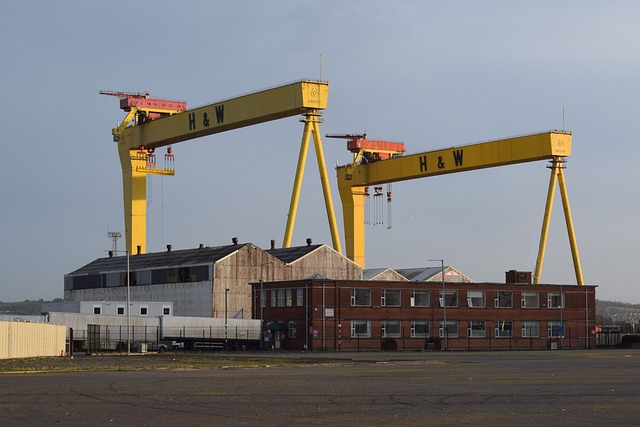
Northern Ireland
Harland & Wolff shipyard
Historically the home of linen and a good measure of shipbuilding, but also aircraft manufacture supported by heavy engineering. Policies of regional development brought petrochemicals and heavy electrical engineering. Read more in this link
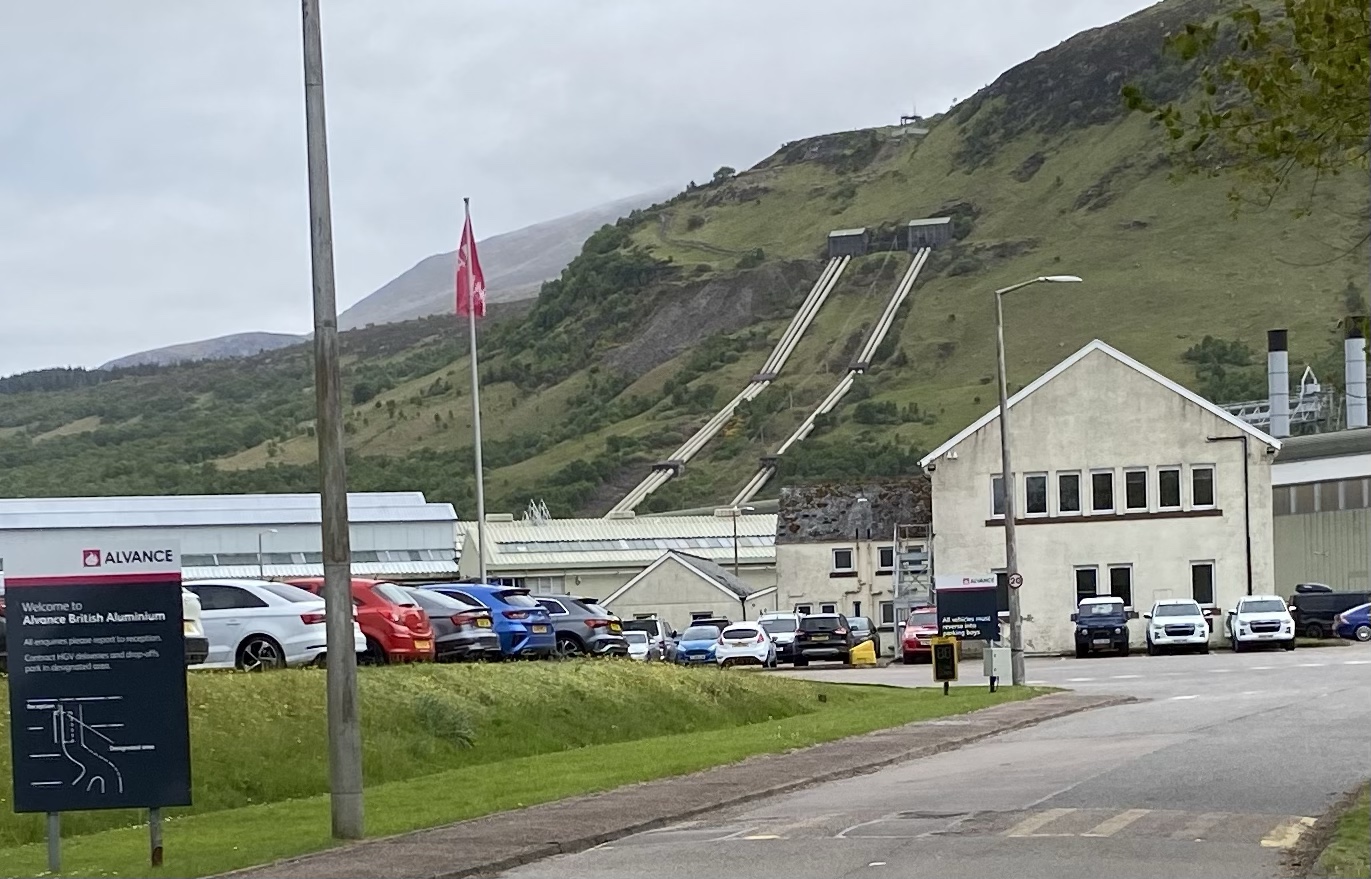
West Scotland
Aluminium smelter near Fort William
To many this area is synonymous with the Clyde and shipbuilding. Interestingly it was also where Singer set up their first UK sewing machine factory and in nearby Paisley 90% of the world’s cotton thread was manufactured. Colvilles at Ravenscraig once had the largest hot strip steel mill in Europe. Further north it was home to aluminium production. Read more in this link.
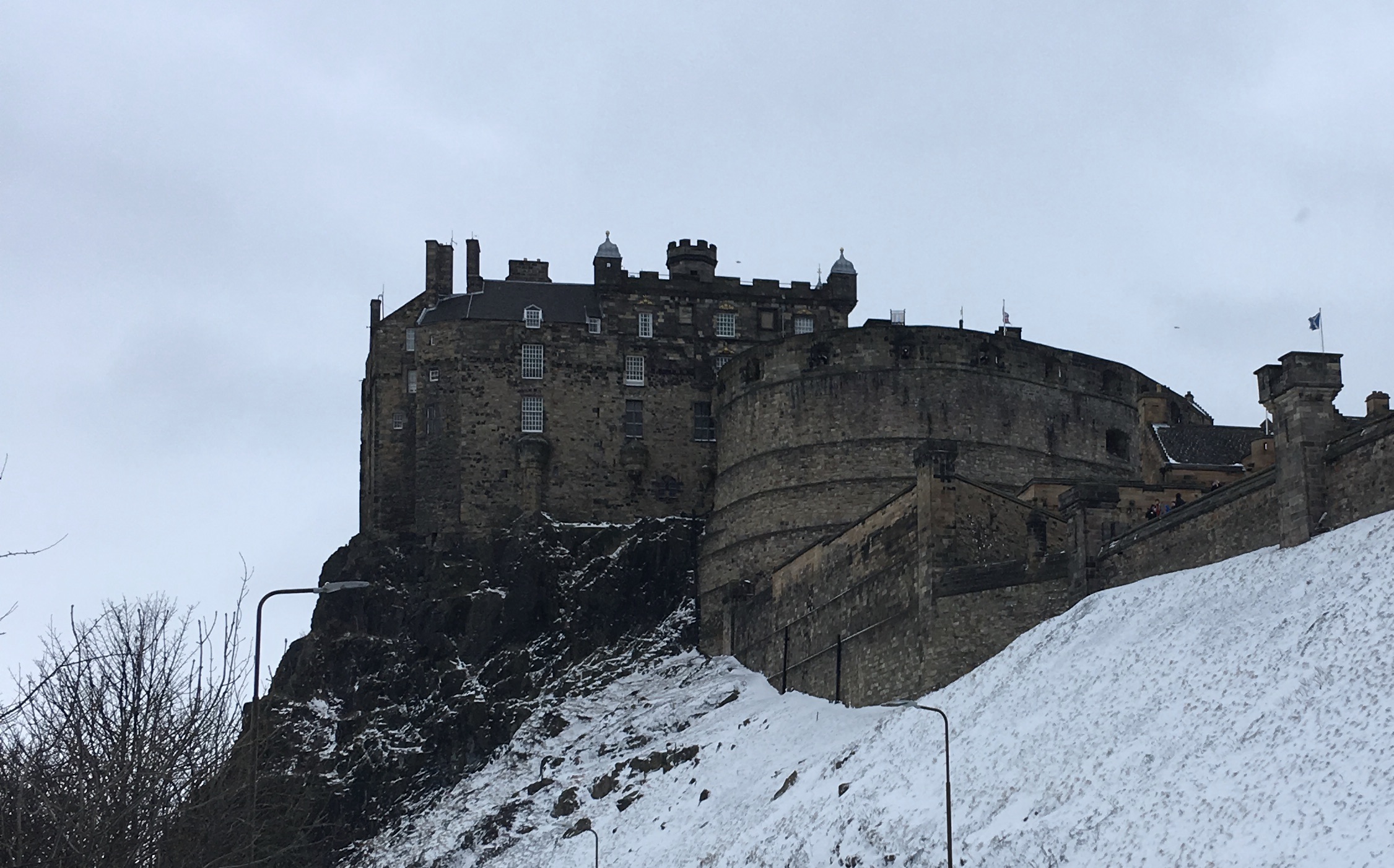
East Scotland
Edinburgh castle
Dundee was home to manufacturing with jute, but also paper. In the late twentieth century part of the region became known for Silicon Glen and high tech industry. Grangemouth is home to the Ineos, formerly BP, refinery and cracker. Find some of its manufacturing places by following this link.
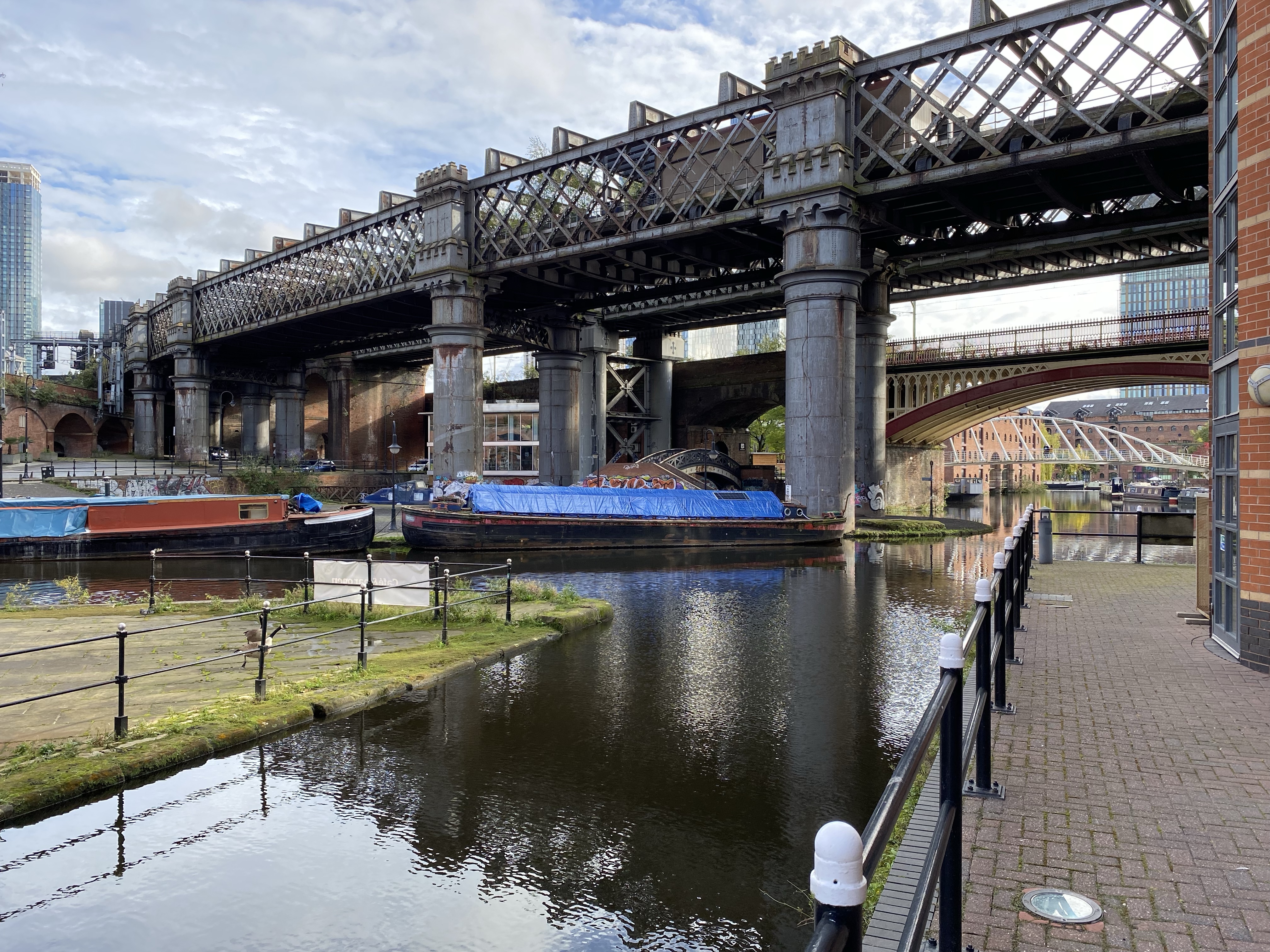
Northwest England
Manchester railways and canals
Manchester and Lancashire were where it all began with the mass production of cotton goods. Not unconnected were soaps at Port Sunlight but also Runcorn and Wakefield. The home of the chemical industry was Cheshire with its rich raw materials. The region was home to Pilkington at St Helens and ship building at Barrow and Birkenhead. Locomotive works at Newton le Willows and Preston together with the regional railway workshops were the backbone of our railway industry. British Westinghouse set up in Trafford Park and Ferranti manufactured early computers at nearby Oldham.
Follow this link to the manufacturing towns of the region
Yorkshire
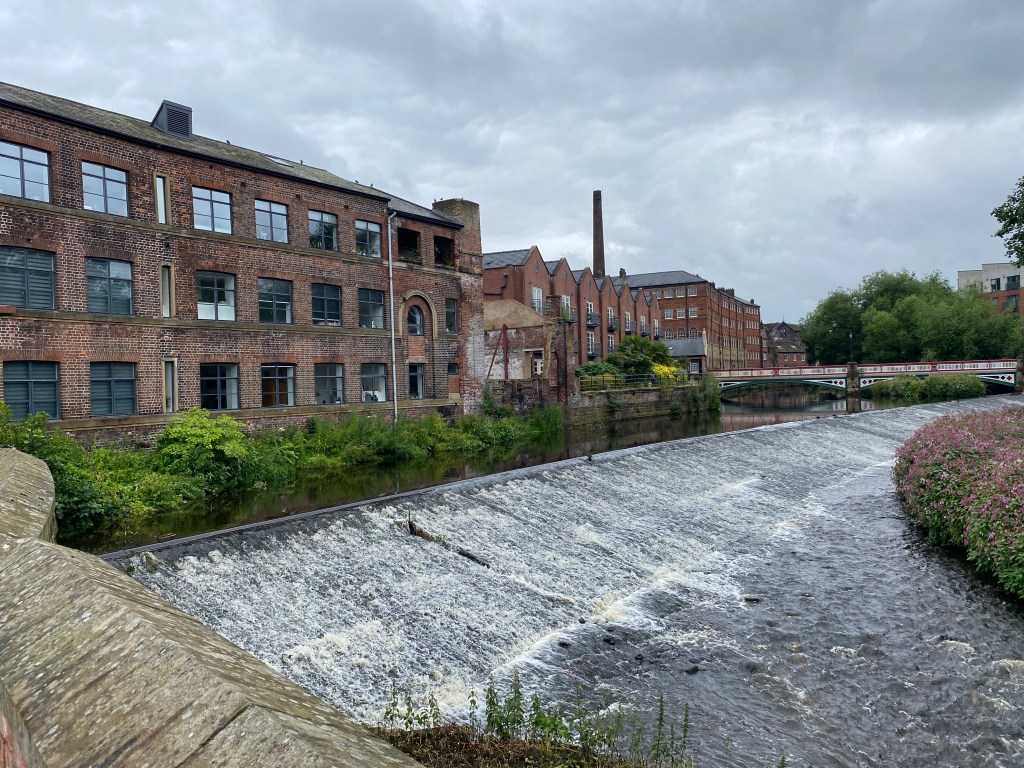
The river Don at Sheffield
Traditionally the home of wool, but, in the south of the county, Sheffield proudly boast its steel making prowess and it is still known for its technical’s expertise. It was where the German Krupp came to learn the secrets of steel making. Wool attracted machinery manufacturers and chemical companies with dye works. Follow this link to the manufacturing towns of the region

Northeast England
The Tyne bridge
Home to shipbuilding and armaments manufacture. Iron production at Middlesbrough, Steel making at Consett, Railway locomotive manufacture at Newton Aycliff, Steam turbines at CA Parsons in Newcastle. The biggest chemical complex in Europe in the sixties was at ICI Billingham. Sunderland now has the massive Nissan car plant. Follow this link to discover more.
Wales
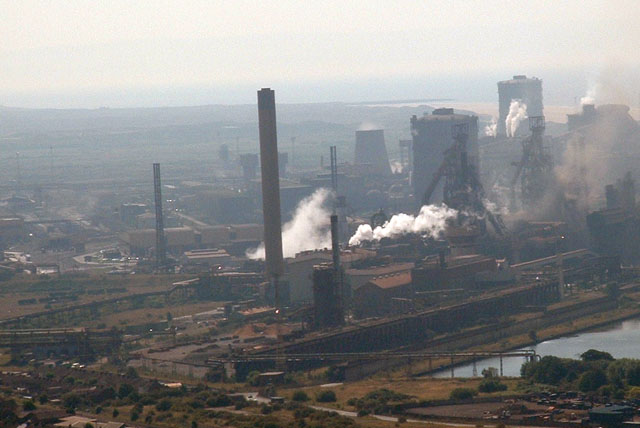
Image with thanks to Chris Shaw, CC BY-SA 2.0, https://commons.wikimedia.org/w/index.php?curid=9173765
Steel making in the south, oil refining and cracking at Ellesmere Port in the north. Wales was home to slate quarrying. Regional development brought electronics, manmade fibres and textiles.
Follow this link to read more

West Midlands
The Cadbury sports pavilion.
Birmingham, with the black country, was the workshop of the world with so much engineering, motor cars and components.
Follow this link to the manufacturing towns of the region.
East Midlands
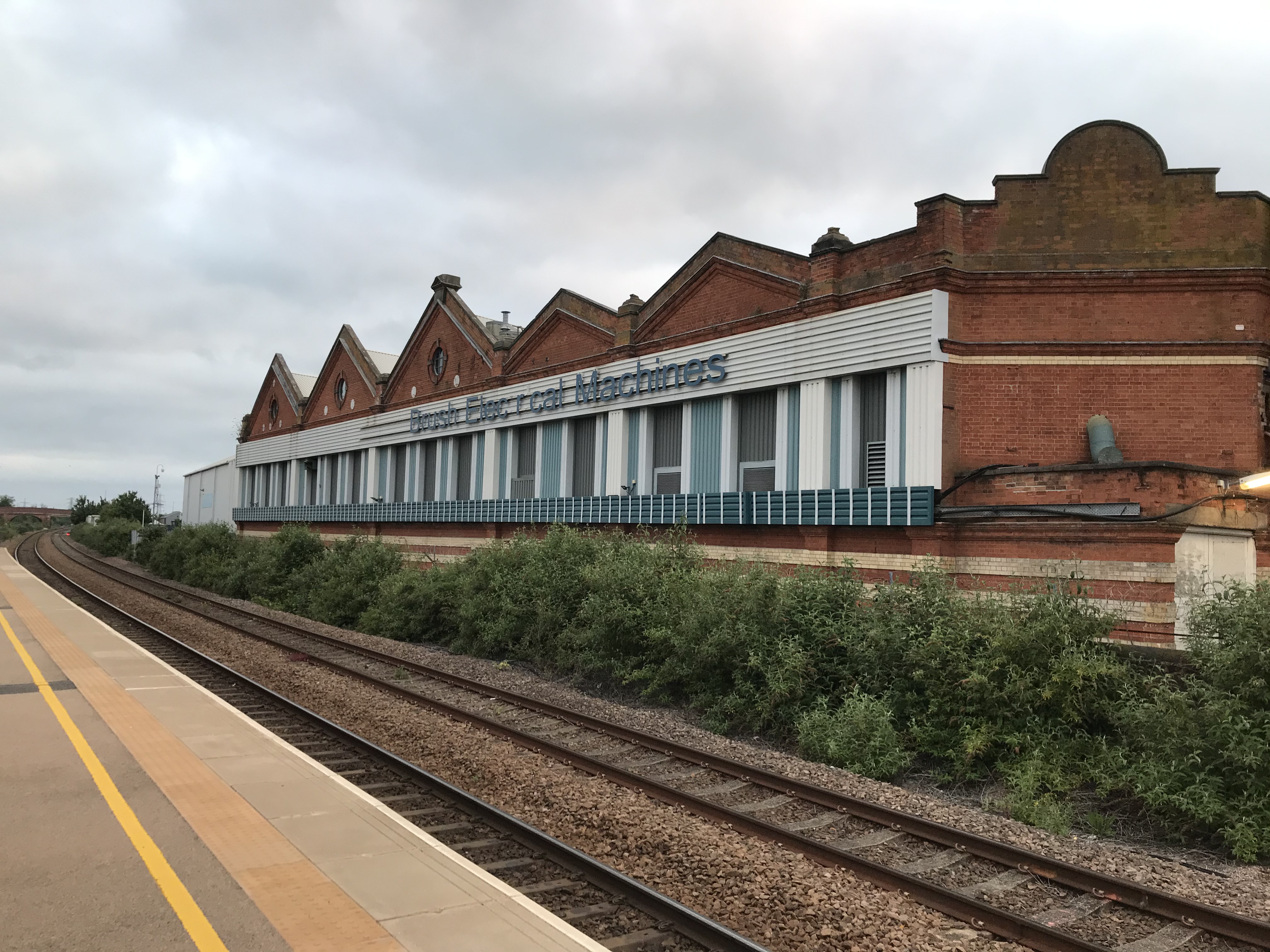
Brush at Loughborough.
Engineering at Lincoln and Derby. Historically hosiery in Leicester and Nottingham and lace making in Nottingham and Long Eaton. Bicycles, Cigarettes and Armaments in Nottingham.
Follow link to the detail.
Southwest England
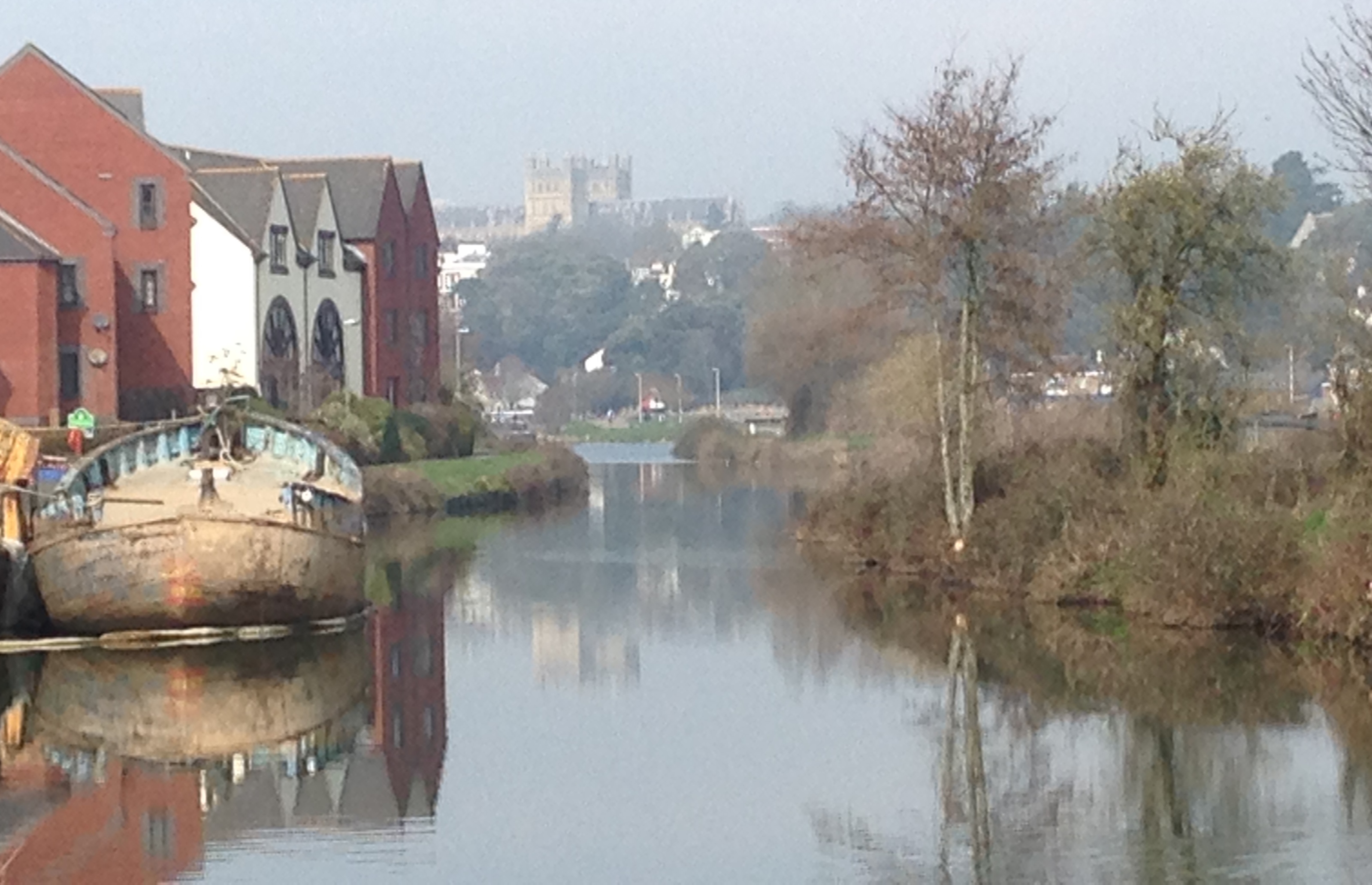
Exeter from the river
Aircraft at Gloucester, Helicopters at Yeovil, aircraft, zinc and ships at Bristol and the Royal Navy and semiconductors at Plymouth. Yet Cornwall was at the heart of the industrial revolution with its tin and copper mines and reserves of china clay. Cornish mining skills spread throughout the world. Read more in this link
Central Southern England
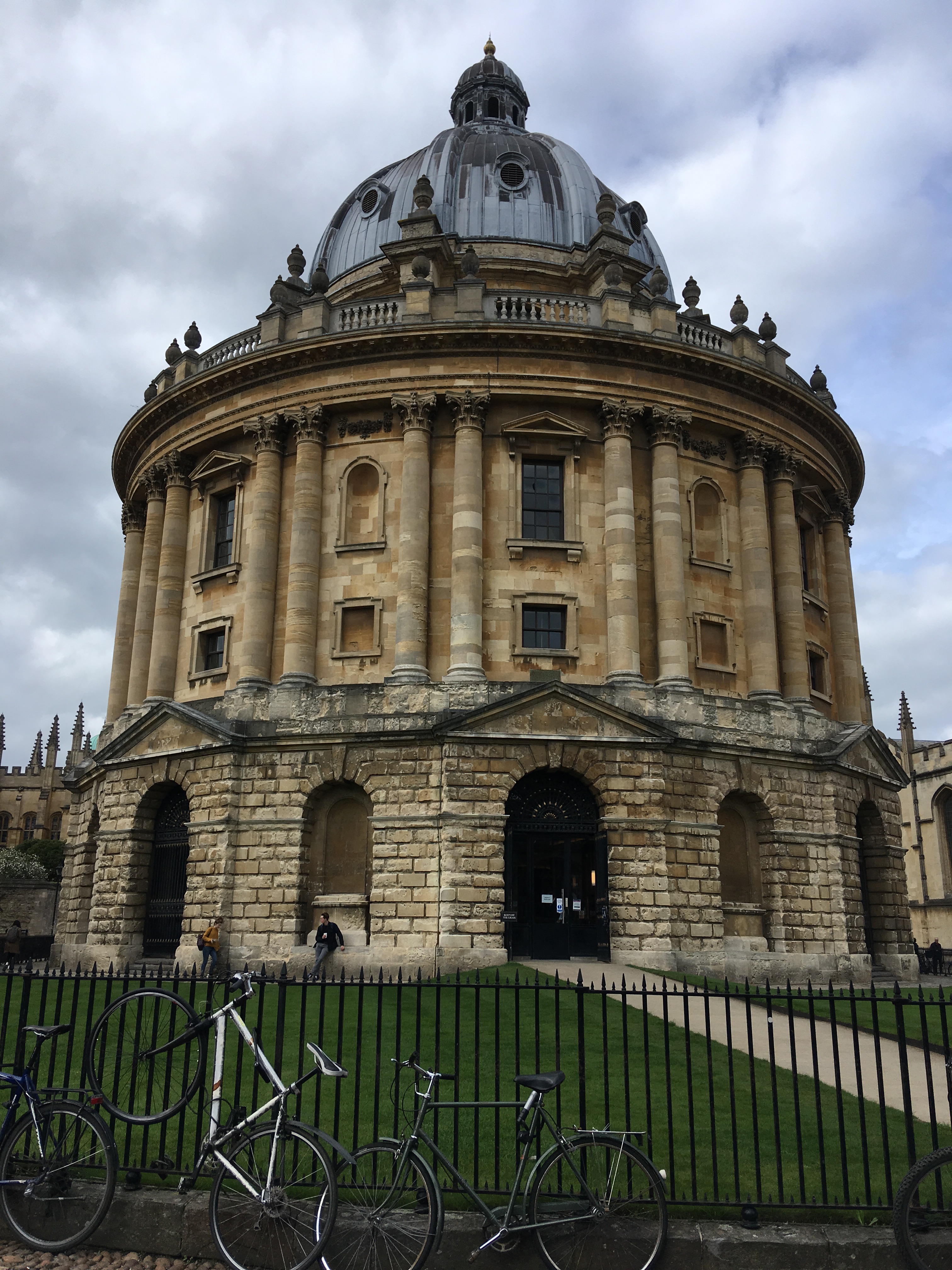
The Bodleian library at Oxford
The University of Oxford teamed up with Astra-Zeneca to produce Covid vaccines. Motor car manufacturing at Cowley outside Oxford. Biscuits at Reading. Nuclear research at Aldermaston. Railway manufacture at Swindon, followed by Vickers special products and then Honda. Read more detail by following this link
East Anglia
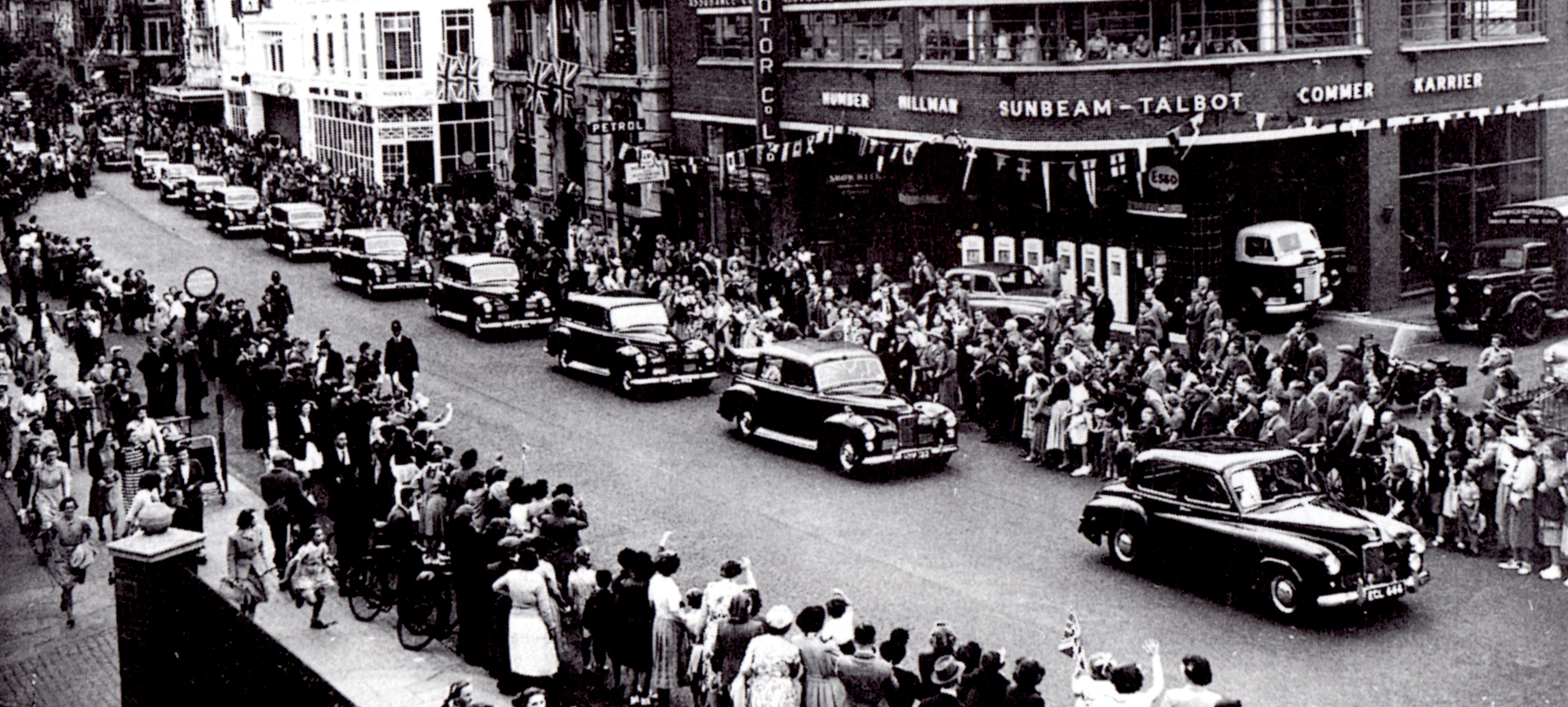
The late Queen’s visit to Norwich with thanks to the Rootes Archive.
Home to agricultural machinery, mustard and Norvic shoes, but also wartime aircraft and radio manufacturing. A number of agricultural engineers joined in a company known as AGE. Cambridge is now the scientific heart of the country with Astra-Zeneca and many other life sciences companies. Semiconductor designer ARM is based in Cambridge. Read more by following this link.
London
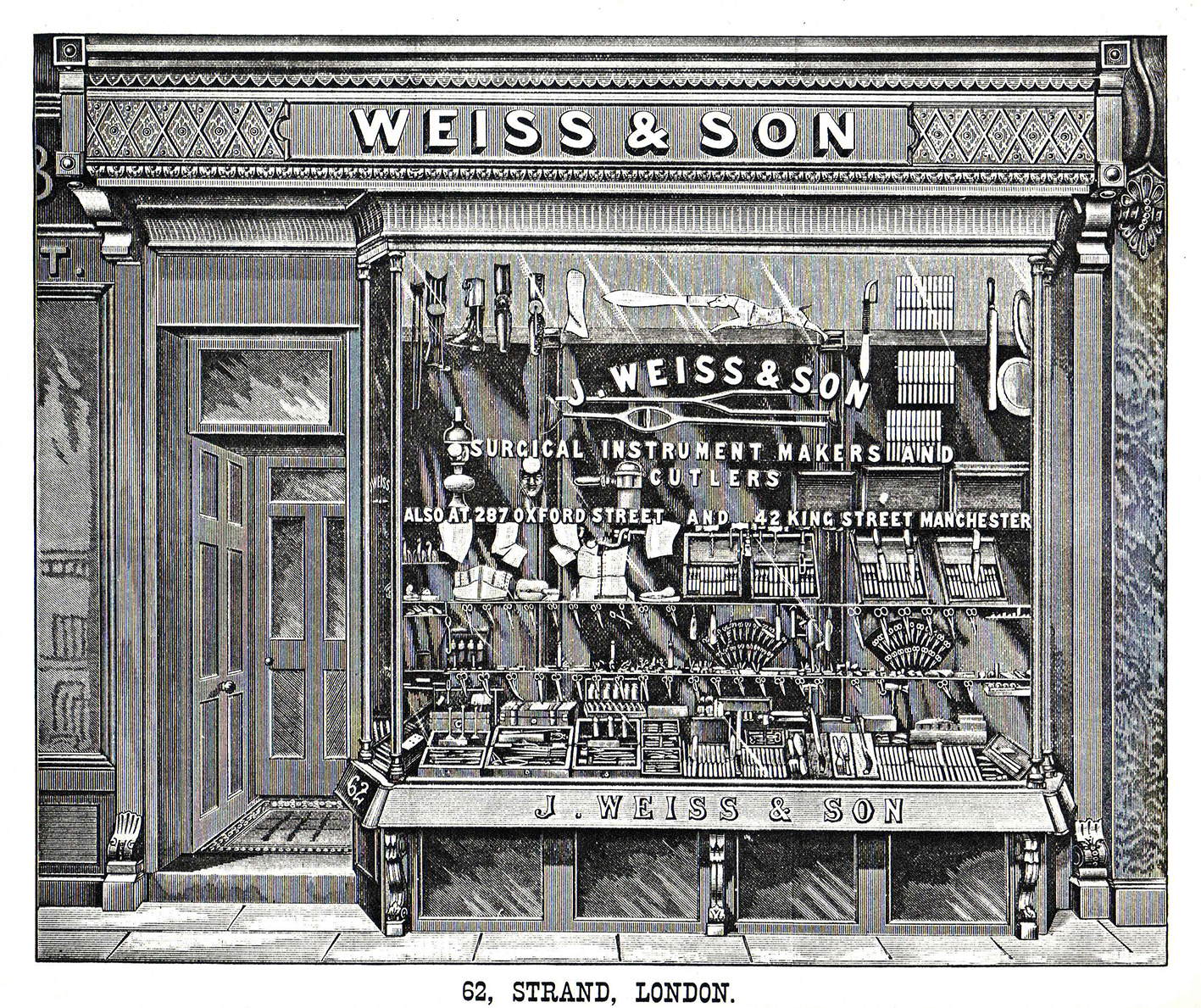
My great grandfather’s premises on the Strand with thanks to Weiss & Son
London had everything from iron smelting at the Dagenham Ford plant to Glaxo pharmaceuticals and electronics, not forgetting flour mills at London docks and toys in south London. Historically London manufactured everything to meet the needs of a fast growing population. Find more by following this link.
Metroland
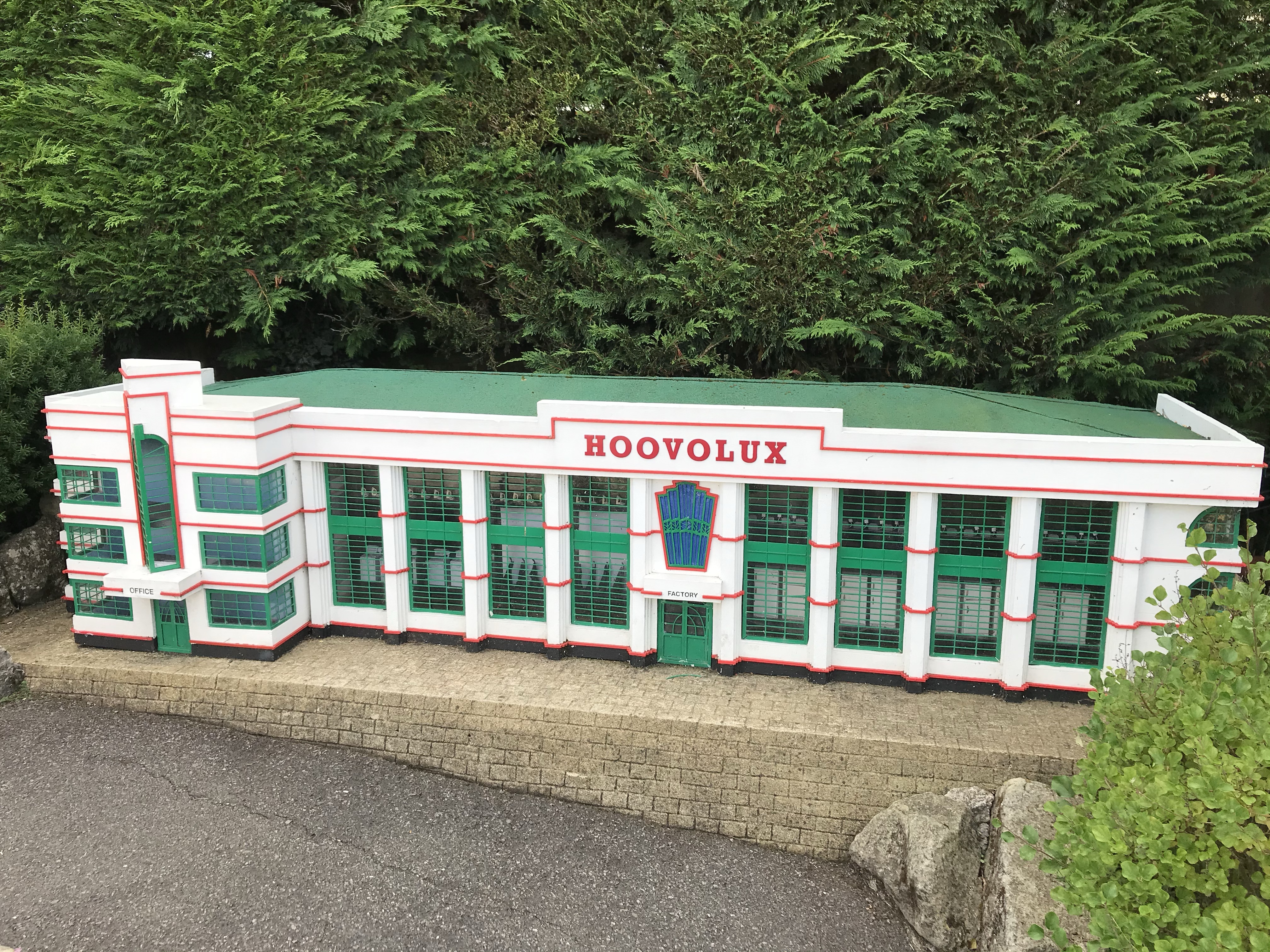
The model of the Hoover factory at Bekonscot
I use a term much loved by the poet John Betjeman for the counties surrounding the north and west of London opened up by the railways. They attracted inward investment in the shape of Kodak and Shredded Wheat and were home to Thorn and EMI. Iconic aircraft manufacturers were based here. Find more by following the link.
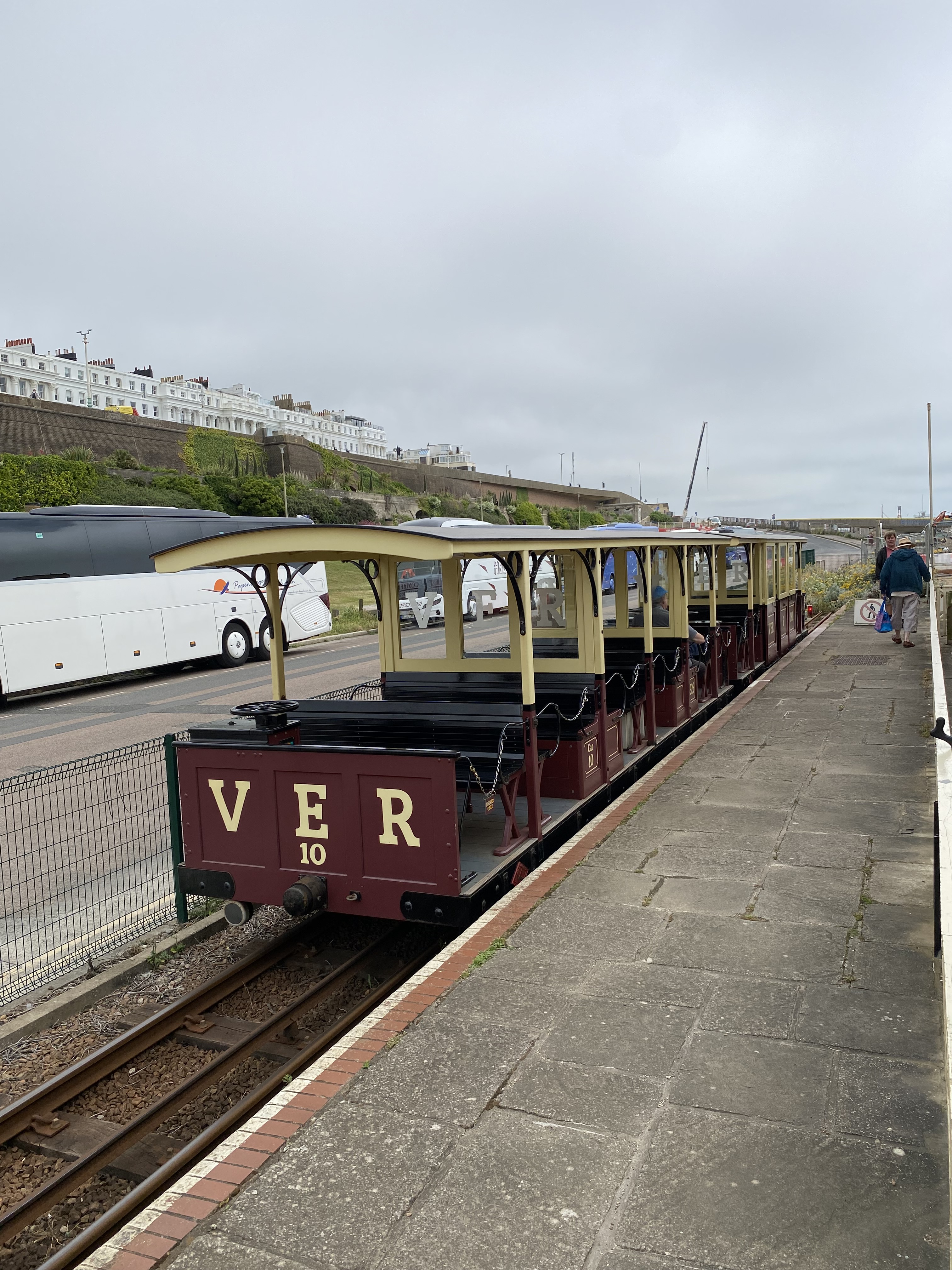
Southeast England
The Brighton electric railway
Home to the first iron masters, with a Royal Navy shipyard. Away from London, most recently Rolls-Royce Motors has found a new home in Sussex. Building materials and toys were made in Kent. Find more by following this link.
I have provided an index to the British manufacturers I mention, to inward investments and to the places I explored in more detail.
I am indebted to those authors who have written about particular towns. I have included details of their books on the respective town or city pages or posts. For the remainder I have used those books and other resources I used when writing How Britain Shaped the Manufacturing World and Vehicles to Vaccines, full details of which I include in those books. As with them I remain indebted to the excellent material provided by Graces Guide. Local residents will know their towns far better than I possibly can. Please use the feedback to highlight any glaring errors or omissions.
I hope you found it useful
 British Manufacturing History