
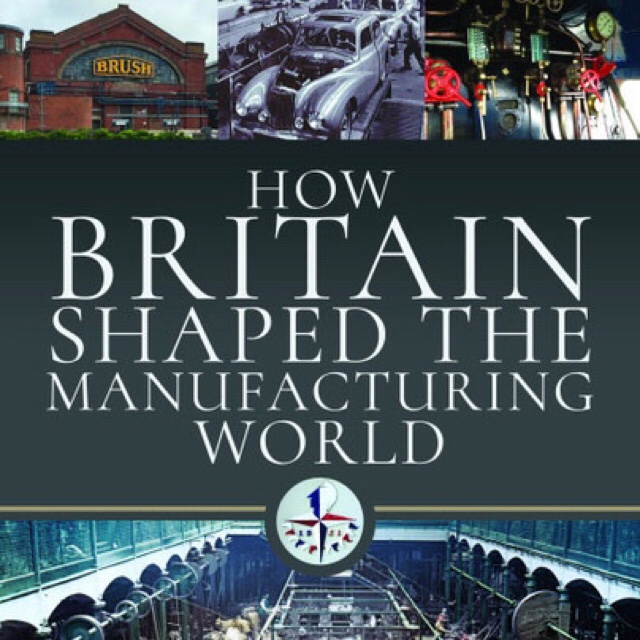
I write blogs as my research progresses and so the earlier ones relate to my previous project Dunkirk to D Day, although they are linked. The men of whom I wrote had feet in both camps, they stepped up as soldiers in two world wars, but then pursued careers in British manufacturing. I wrote an article on Civilian Expertise in War published in the Historian, the magazine of The Historical Association.
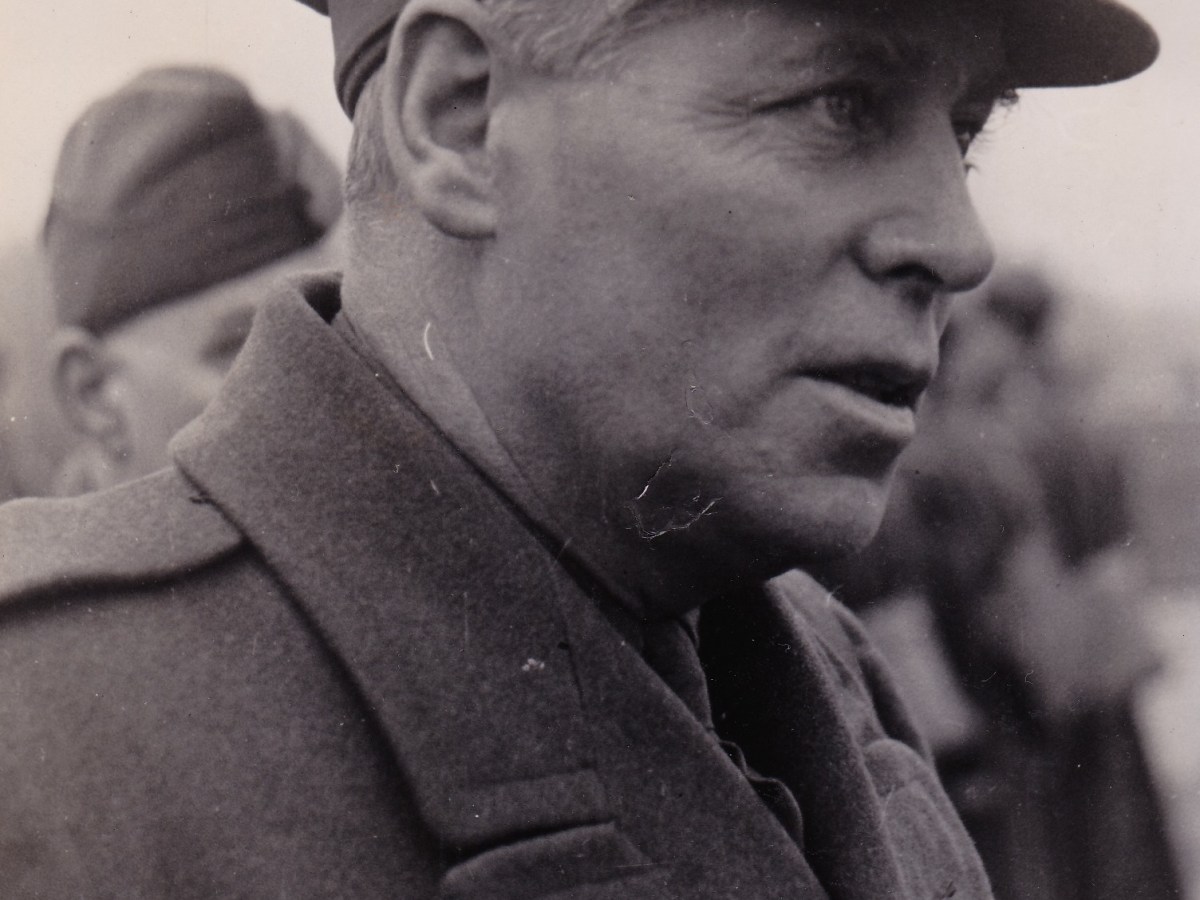
Ronald Weeks – Vickers
It is chilling to think that many of those men born in the 1890s would serve through two world wars (if they survived) and could also be part of the step change in British manufacturing witnessed in the twentieth century. Ronald Weeks was one such man. He was the first Director-General of Army Equipment in…
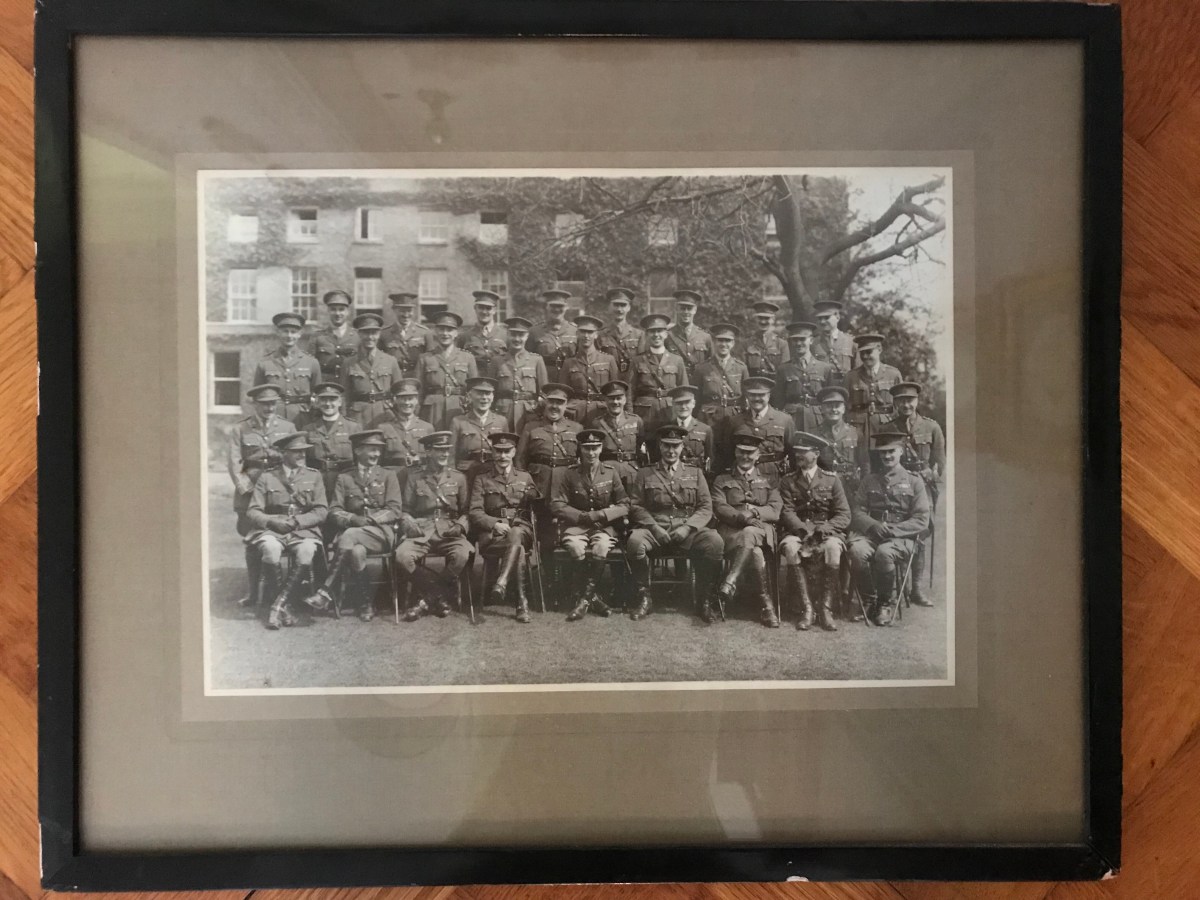
300,000 blog views
I can hardly believe that my military history blog has attracted so much attention. The story began in April 2014 when I brought down from the loft boxes filled with scrap books up to 5 inches thick filled with press cuttings, photographs, booklets, dinner menus and a pressed flower. I had known about the albums…
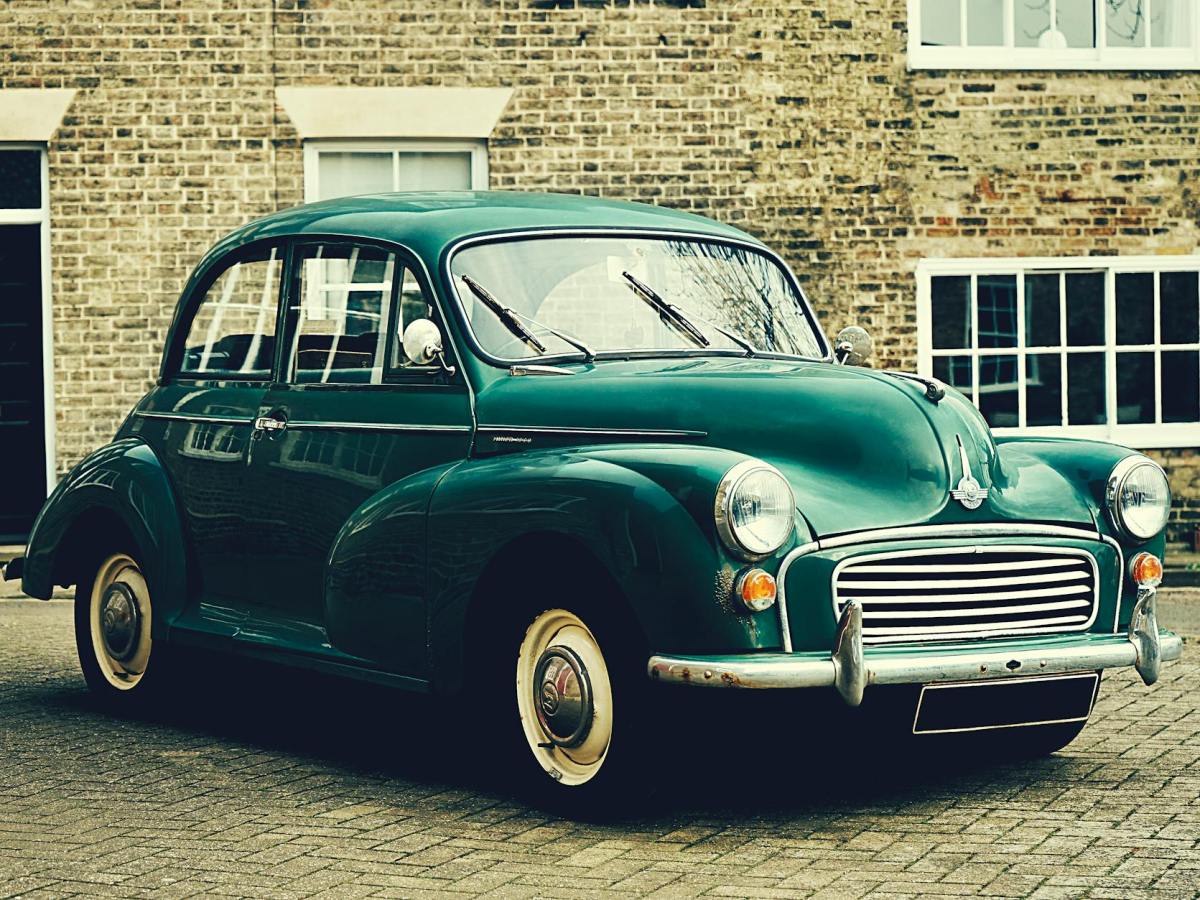
William Morris – Lord Nuffield
William Richard Morris was born on 10 October 1877 in Worcester where his father, Frederick, was working as a draper. Both Frederick and William’s mother, Emily Ann, were of Oxfordshire yeoman stock and both had received a sound education. The indoor life of a draper didn’t suit Frederick and so the family returned to Oxford…
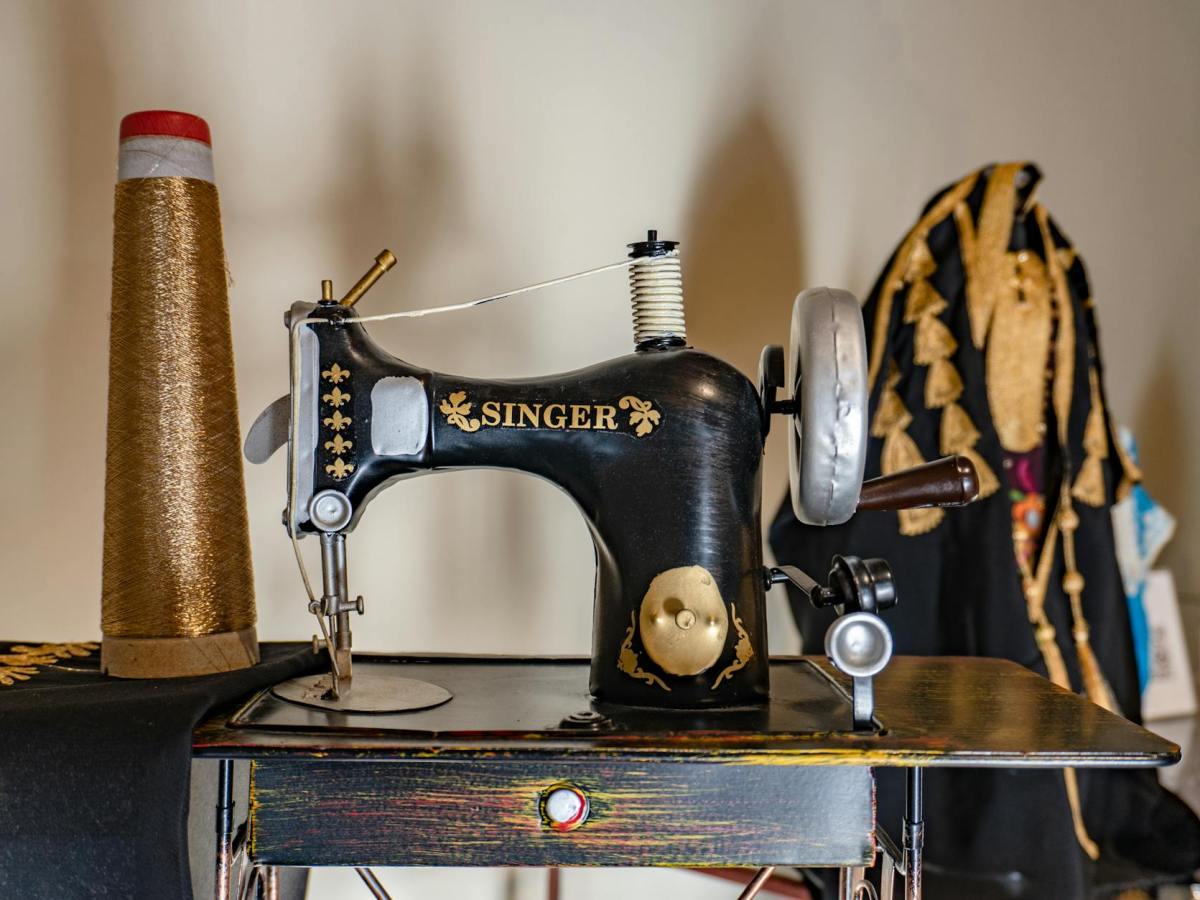
The process of invention – the sewing machine and bicycle
“No useful sewing machine was ever invented by one man; and all first attempts to do work by machinery, previously done by hand, had been failures. It was only after several able inventors had failed in their attempts, that someone with the mental powers to combine the efforts of others, with his own, at last…

West London manufacturing history
The twenties and in some cases earlier saw the establishment of the new motor and electrical industries on the periphery of London and near to the river. Investment by foreign companies became more visible. The thirties in particular witnessed strong growth in manufacturing in London and its surroundings and I explore these and related population…
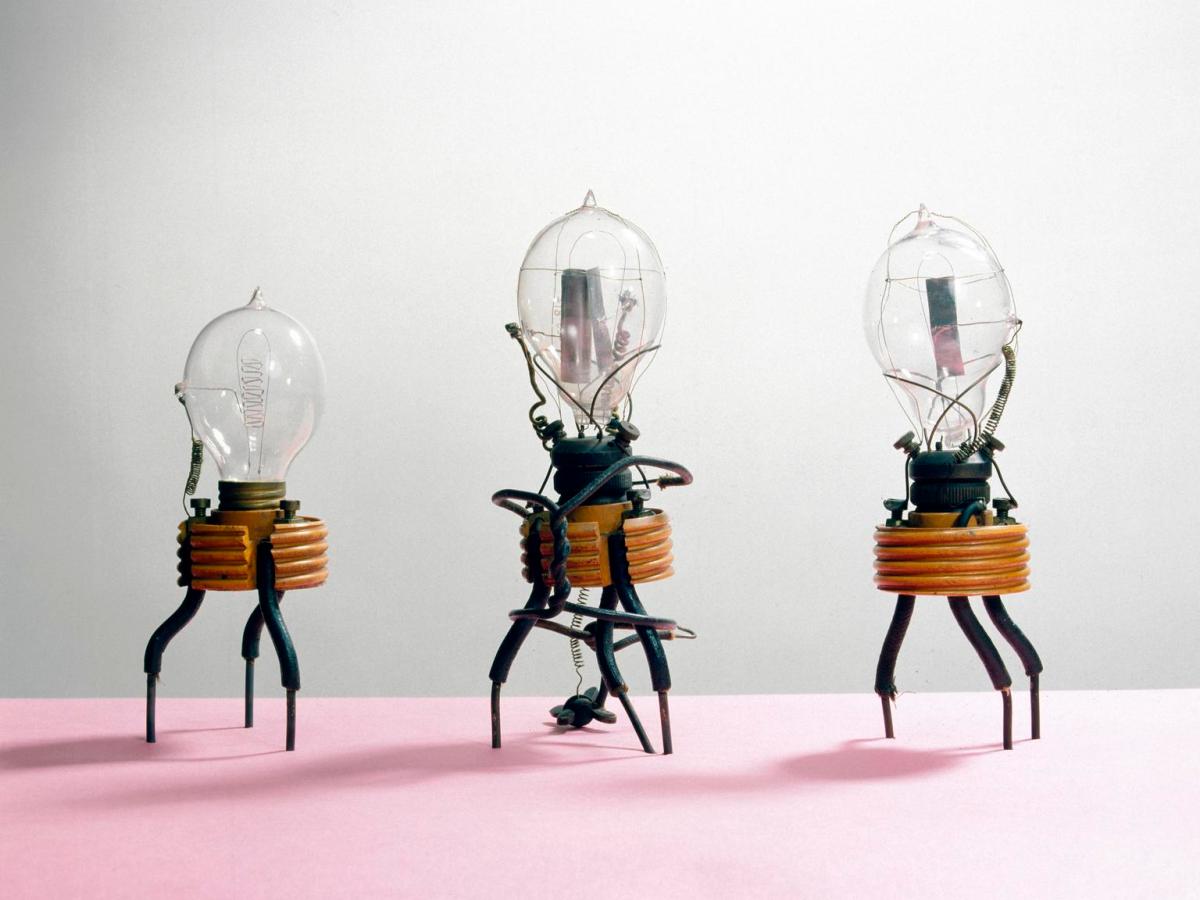
North London manufacturing history
As Inner London turned its attention more and more to finance and service industries, manufacturing moved north, much of it into the Lea Valley which, hitherto, had market gardens working hard to feed a growing population. There was also brick making to house that population. Enfield Manufacturing came to Enfield in 1809 in the form…

Inner London manufacturing in the 19th and 20th centuries
Inner London, having been for manufacturing a place where the many made things for the few, changed as technology advanced and became home to many young industries before they moved to more spacious pastures. Stephen Inwood in his masterly A History of London makes the point that in the interwar years it was not just…

South London manufacturing in the 19th and 20th centuries
In his book, London: A History, Francis Sheppard observes that ‘by the end of the eighteenth century, London had more steam engines than Lancashire’. London had also employed water power from the fast flowing river Wandle to mill flour and snuff and also to power the printing of calico. Southwark, Lambeth and Vauxhall Southwark and…
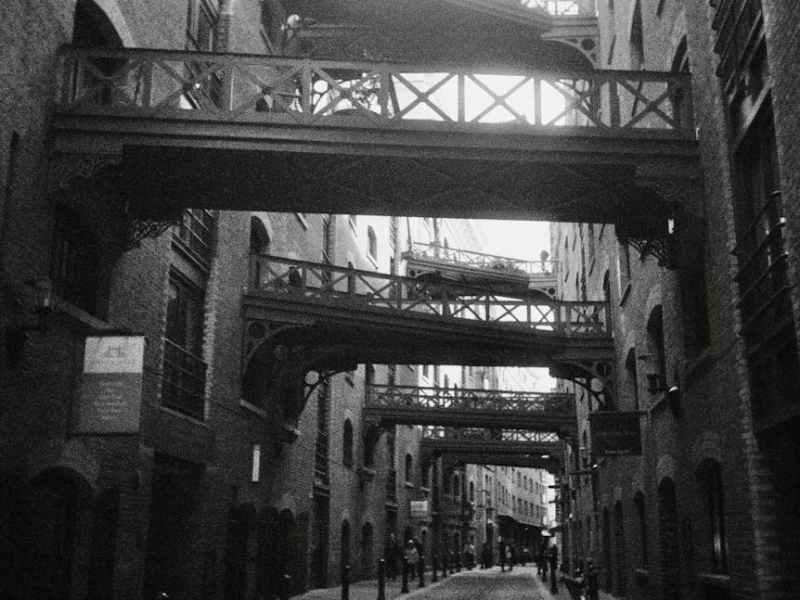
East London manufacturing in the 19th and 20th centuries
Docklands The first decade of the nineteenth century saw an expansion in docks which would guarantee London’s position as the world’s trading city. The first was a West India Docks which had in addition to the docks themselves, warehouses all surrounded by a secure wall. The work was privately funded and financed by a 21…

South London manufacturing history
The south bank of the Thames and the rivers flowing into it, the Wandle and Neckinger, attracted industries needing ready transport for raw materials, water power and water itself. Southwark, Lambeth and Bermondsey Ceramics were made in Lambeth and also in Chelsea and Bow. Doulton & Co made rainwater goods and later fine pottery as…
Something went wrong. Please refresh the page and/or try again.
Follow My Blog
Get new content delivered directly to your inbox.
 British Manufacturing History